Tackling Game Clones: A Modern Industry Guide
How studios push back on game clones: DMCA takedowns, unfair-competition suits, and copyright claims explained.
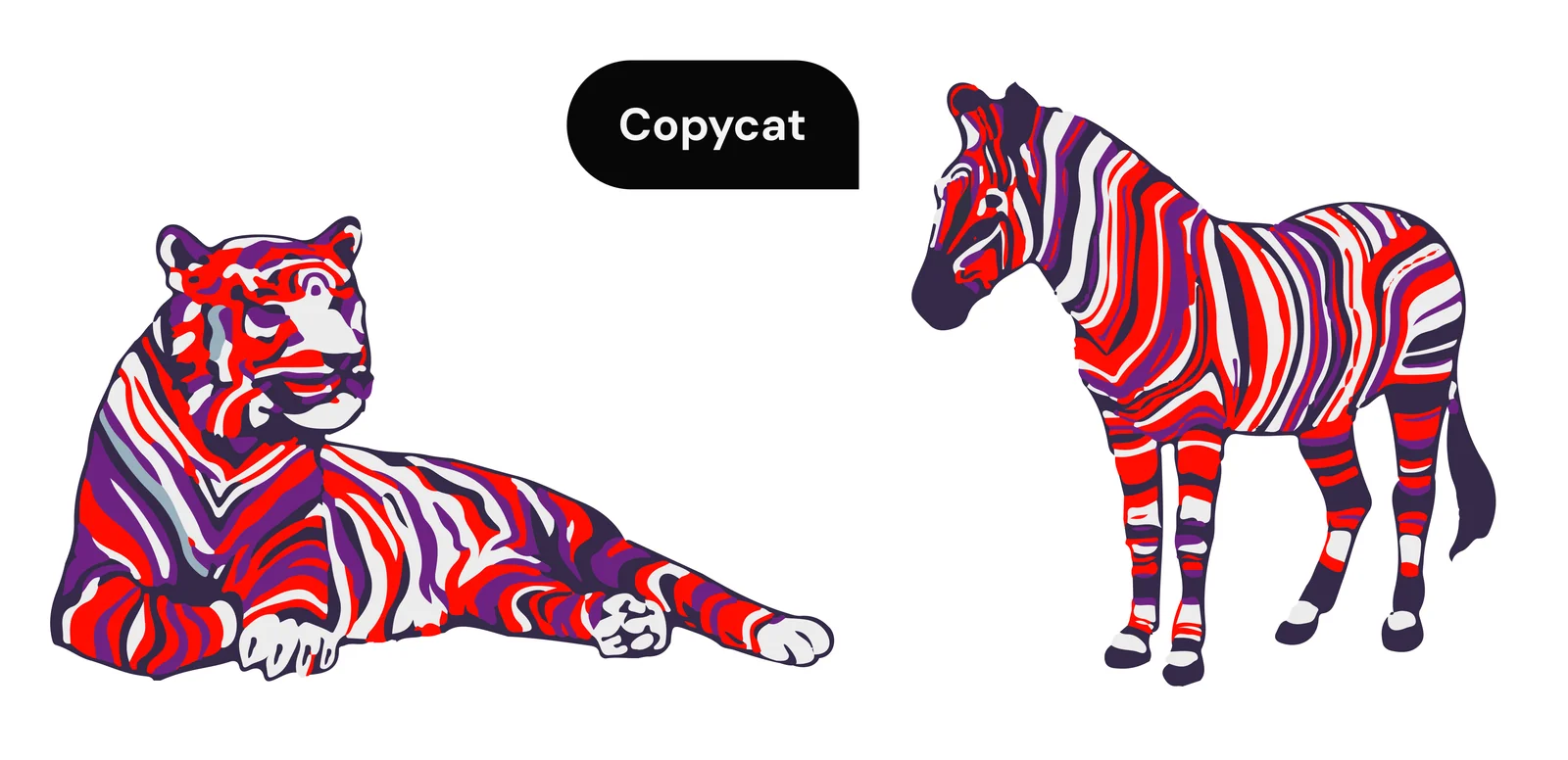
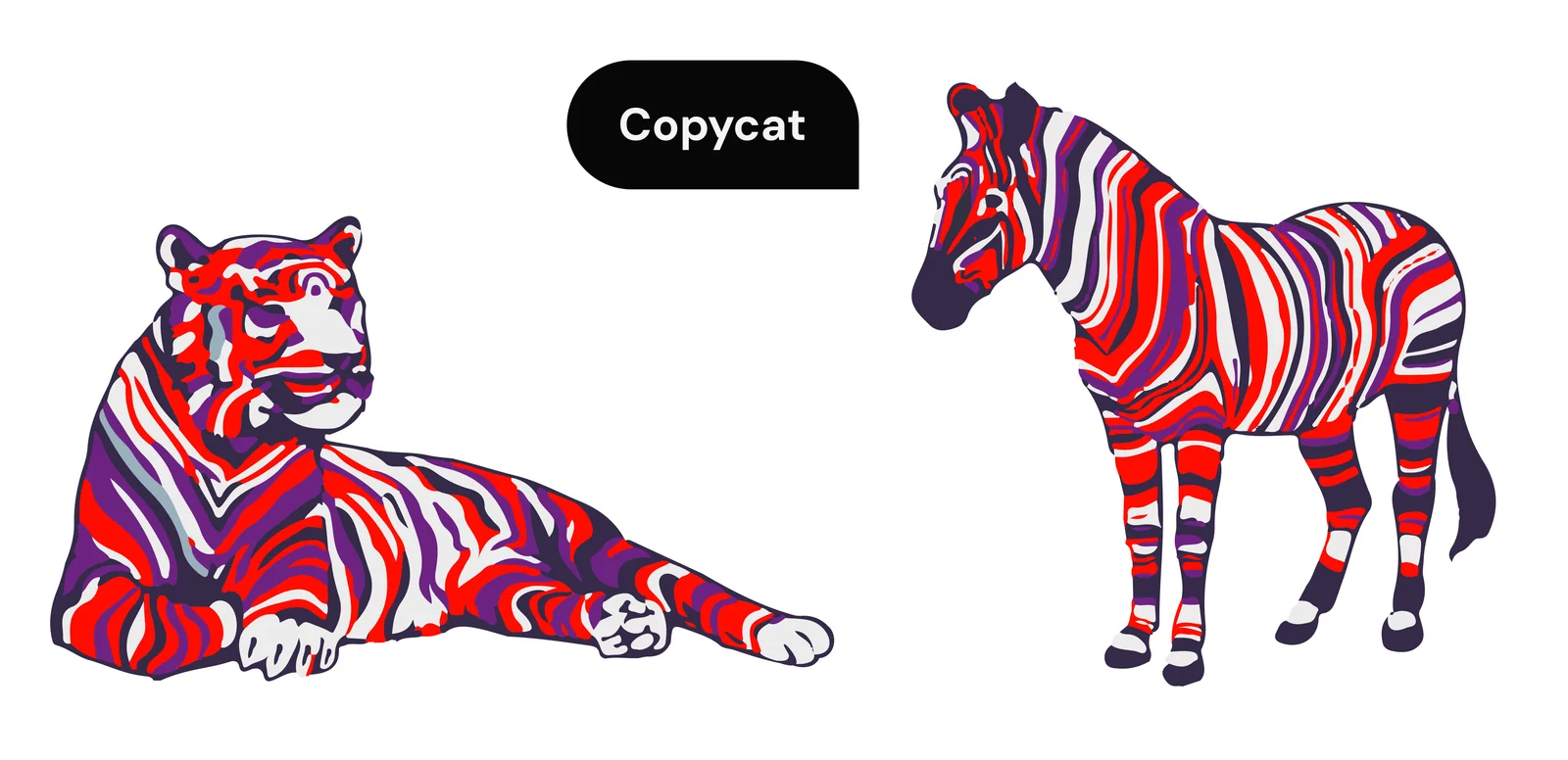
In the fast-paced world of gaming, success often attracts imitators. Game cloning—where developers replicate key elements of popular titles—has become a persistent challenge for studios striving to protect their creative work. While some cases involve clear-cut infringement, others blur the line between inspiration and imitation.
Understanding the Clone Challenge
In today's thriving gaming market, successful titles often face a particular challenge: cloning. This practice occurs when developers create games that closely replicate existing successful titles, often mimicking their core mechanics, visual style, and distinctive features. These clones aim to capitalize on the established popularity of original games by offering players similar experiences.
Diplomatic Resolution Approaches
Before pursuing legal action, many developers opt for direct communication. When similarities appear unintentional, reaching out to the developer with specific concerns often leads to constructive solutions.
A notable example occurred in the looter-shooter genre, where one developer modified their game's visual elements after community feedback highlighted similarities with an established title. Their public response emphasized respect for genre conventions while acknowledging the need for distinctive design elements.
Understanding DMCA Protection
The Digital Millennium Copyright Act provides a structured approach to addressing potential copyright violations. While originating in the United States, this framework has become a global standard for digital rights protection across various platforms.
Major gaming platforms have implemented specialized DMCA reporting systems, allowing rights holders to flag potential violations efficiently. However, this approach has limitations - removed content may reappear on alternative platforms or under different developer names.
Several major gaming companies have effectively utilized DMCA notices:
- A prominent console manufacturer has consistently protected its intellectual property by removing unauthorized emulator code from code-sharing platforms.
- A major game publisher has successfully used DMCA notices to address unauthorized game modifications.
Legal Action as a Final Resort
When other approaches prove insufficient, legal proceedings become necessary. These typically focus on two main areas.
Copyright Infringement Cases
Legal strategies vary based on circumstances. Some companies target platform holders when direct appeals fail. In one significant case, a major publisher filed suit against leading mobile platforms for hosting a tactical shooter that closely mimicked their established title. The clone was subsequently removed from mobile stores.
In other instances, companies pursue direct legal action against clone developers. A notable example involved a major competitive game studio taking legal action across multiple jurisdictions against a mobile game developer. The case centered on alleged similarities in character design, weapon systems, and level layouts. Despite attempts to modify the clone, it was eventually discontinued.
Addressing Unfair Competition
This approach proves particularly relevant for mobile games with straightforward mechanics. A landmark case in European courts involved a mobile game publisher successfully challenging a competitor over copied gameplay elements in a crafting-focused game. The court ordered financial compensation, game removal from stores, and public announcement of the ruling.
Comprehensive Protection Strategy
Protecting gaming intellectual property requires a multi-faceted approach:
- Regular market monitoring to identify potential infringement.
- Clear documentation of unique game elements.
- Strategic use of DMCA notices when appropriate.
- Legal action as a last resort.
- Building strong community relationships to support legitimate content.
This is the work we do for our clients, protecting the products they build. You can read more about how we build a protection strategy here.
A Word on Patents
There is one more route for these disputes: patents. The biggest clone fight of recent years is a good example — Nintendo and The Pokémon Company sued Pocketpair, the developer of Palworld. The case turned on patented game mechanics: capturing creatures and switching rideable mounts on the move. Copied art and code were never part of it. Pocketpair redesigned the game around the patents, replacing the throw-to-summon mechanic in a November 30, 2024 patch and direct gliding on a creature in a May 8, 2025 patch. In November 2025 Nintendo narrowed its claims to older versions of the game, closing off any path to an injunction against current or future Palworld, and the money at stake came down to roughly ¥10 million (about $60,000) plus interest. We covered this case in detail in a separate article — you can read it here. The takeaway for studios is simple: a patent on a mechanic is expensive to assert and easy to design around, and it offers no reliable protection against a competitor.
When you spot a clone, lean on what actually protects the concrete result of your work: copyright in your assets, art, music, and code, plus trade dress — the recognizable look and feel, if it is firmly associated with your game. The law does not protect the genre idea or general mechanics, so it is precisely the unique elements you need to lock down in advance. As for the order of steps, our advice is this: first gather your evidence and send a DMCA notice to the platform (fast, no court), and if that is refused, escalate to a copyright-infringement or unfair-competition claim. A patent on a mechanic is the most expensive and most fragile tool in this lineup, as Palworld showed, so real defense rests on constant store monitoring and carefully documented rights.
— Gennady Kurdiumov, Co-Founder, Futura Digital
Moving Forward
The gaming industry's response to cloning continues to evolve. Success in protecting original content often depends on combining proactive monitoring, clear communication, and appropriate legal measures. Companies must balance protecting their intellectual property while supporting healthy genre evolution and legitimate creative inspiration.
Understanding the distinction between inspiration and infringement remains crucial. While certain game mechanics and genre conventions naturally overlap, developers must ensure their creations maintain sufficient originality while respecting existing intellectual property rights.
This material was updated in July 2026 by the Futura team.

Discuss
the Task
Speak to our team
Speak to our team. Tell us about your task –
we’ll help you with it in any jurisdiction.