When Your Hit Game Gets a Twin
Game cloning is one of the most common IP challenges in the industry. The moment a title gains traction, copycat developers often appear within days — and the legal tools available to fight back are more varied and more powerful than most developers expect.

In the games industry, success comes with an unwanted side effect: clones. The moment a title goes viral, copycat developers often appear within days offering players something that looks, feels, and plays almost identically to the original. Beyond the obvious revenue hit, clones dilute your brand and can damage player trust.
Not all infringement in this regard are the same, and the nature of a specific violation may trigger different legal responses. Most commonly, the developers come across the following:
- Pirate APKs and cracked builds;
- Cheat tools and anti-circumvention software;
- Reverse engineering of a client to run a competing service;
- Sources that distribute the abovementioned (e.g., private Discord channels);
- Fake official channels and brand impersonation.
The good news is that the law offers real tools to fight back. The less-good news is that using those tools effectively requires understanding what copyright actually protects - and what it doesn't.
In this article, we'll walk through fighting clones before starting litigation: applicable copyright basics, DMCA takedowns, the endless “whack-a-mole” cycle, real case studies, and multi-layered strategies beyond just copyright — including patents and branding. We focus on the US regulation since the major platforms are from the US and are guided mostly by US case law.
What does copyright actually cover in a video game?
Copyright protects how you express an idea in a tangible form, not the idea itself.
There may be some specifics in the regulations of the different countries, but generally, the elements recognized as protected by copyright are:
- Source code and object code — the literal text of the game's software;
- Characters — their visual design, personality, and distinctive traits;
- Audiovisual works — trailers, cutscenes, and in-game cinematics;
- Graphic art assets — UI elements, character art, environment design;
- Text and storylines — scripts, lore, narrative structure;
- Music and sound recordings.
Copyright does not cover game mechanics, rules, and abstract ideas. You cannot own the concept of a battle royale, a match-three mechanic, or a battle pass.
Idea v. Expression. How Clones Play Out
Since the copyright does not cover ideas, clone disputes actually play out with this. For example, US courts refer to this distinction as the idea-expression dichotomy, and it creates a spectrum that's often frustratingly difficult to navigate.
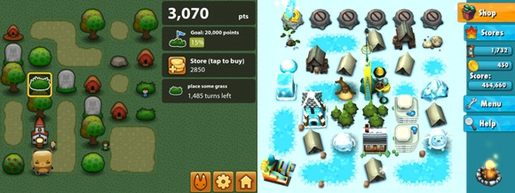
The landmark case Spry Fox, LLC v. LolApps, Inc. (W.D. Wash. 2012) illustrates this well. Spry Fox claimed that LolApps' mobile game Yeti Town infringed its Triple Town. The court declined to protect the underlying game concept — a hierarchical matching game where players combine three lower-tier objects to produce a higher-tier one — as that was a pure idea.
But Spry Fox's specific creative choices were a different matter: the particular progression from grass → bushes → trees → houses, the meadow setting, and the antagonist “bots” who disrupt play. Those expressive elements were protectable, and LolApps ultimately settled and paid to continue using them.
Two related doctrines further narrow what can be protected:
- The Merger Doctrine applies when there's essentially only one way to express a given idea — at that point, the expression "merges" with the idea, and neither can be monopolized. Common game UI conventions like a main menu, a loading screen, or directional arrows all fall into this category.
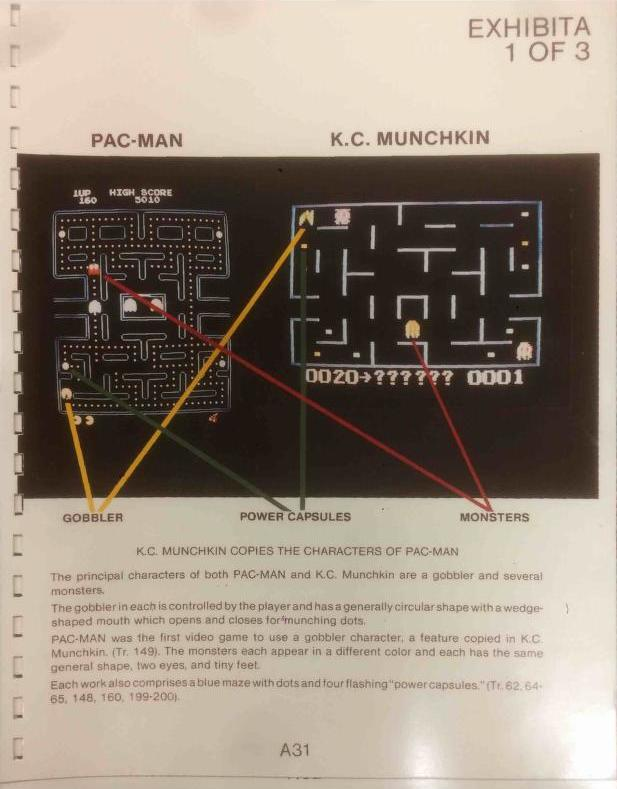
- The Scènes à Faire Doctrine strips protection from elements that are standard, generic, or unavoidable in a given genre. The iconic Atari v. North American Philips Consumer Electronics (7th Cir. 1982) is the textbook example. The court held that mazes and dots are genre conventions in arcade games and couldn't be claimed by Atari. However, the distinctive Pac-Man character design and the ghost enemies were protected, and on that basis the court found infringement.
The "Substantially Similar" Test
Once a court has identified which elements are protectable, the central question becomes: are those elements substantially similar between the two games? Courts evaluate this from the perspective of an ordinary player looking at the games' overall look and feel — not a technical comparison of individual lines of code.
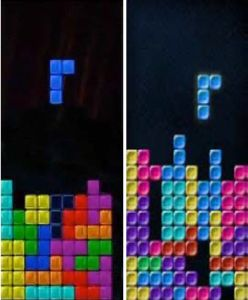
This standard played out dramatically in Tetris Holding LLC v. Xio Interactive, Inc. (D.N.J. 2012). Xio's mobile game Mino replicated the visual appearance of Tetris — the falling block shapes, the game board proportions, and the color scheme. The court found that an ordinary user could be misled provided with screenshots of both games. If you have to squint to find the differences, the protectable elements are substantially similar.
Cross-platform cloning: The Most Common Battleground Today
Some of the most commercially significant clone disputes involve games ported from PC or console to mobile — or vice versa — before the rights holder can do it themselves.
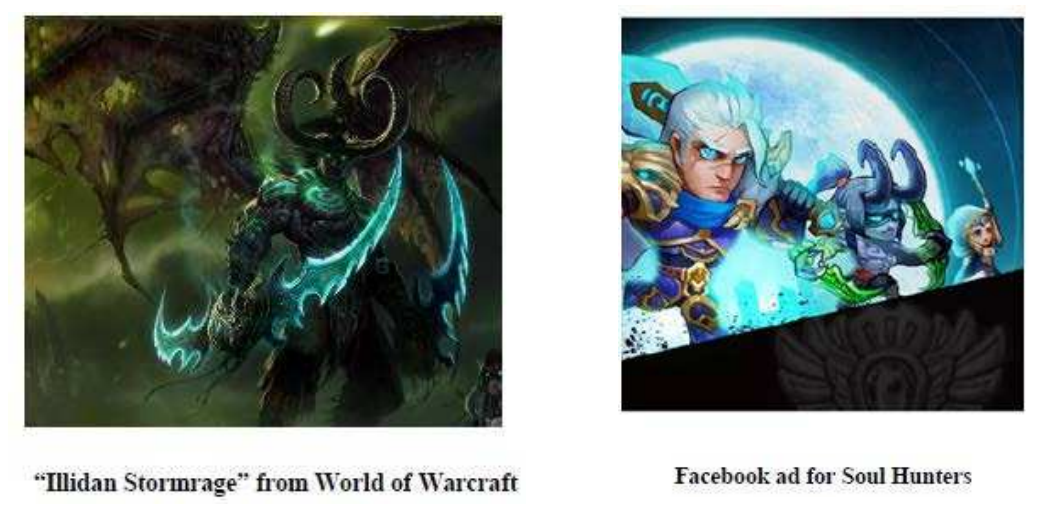
In Blizzard Entertainment v. Lilith Games (2018), Blizzard alleged that Lilith's titles Dota Legends, Dot Arena, and Soul Hunters lifted copyrightable character designs and visual elements from World of Warcraft, Hearthstone, and other Blizzard properties. When Lilith moved to dismiss the case, the court found Blizzard's side-by-side comparisons plausible enough to proceed. The parties appear to have settled privately before trial.
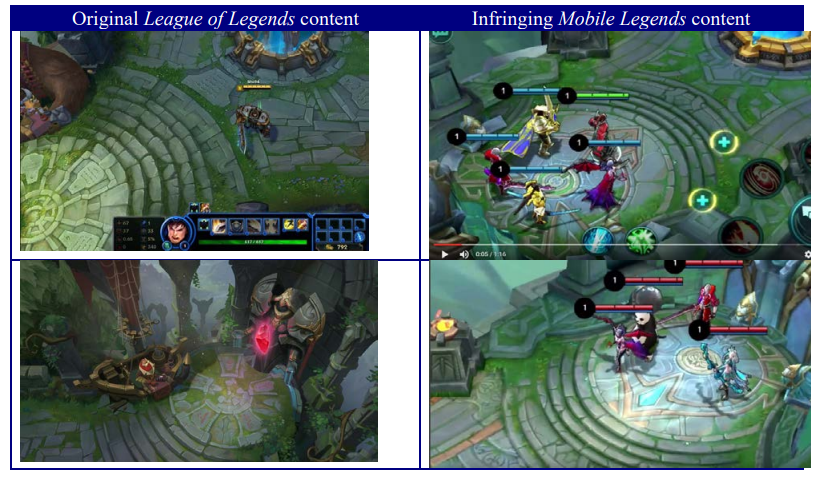
Riot Games v. Moontoon (2022) involved claims that Mobile Legends: Bang Bang copied protectable elements from League of Legends: Wild Rift — including character designs, visual identity, and overall aesthetic. The case was ultimately dismissed on jurisdictional grounds, but the published comparisons between the two games remain instructive for understanding the threshold of similarity that tends to trigger litigation.
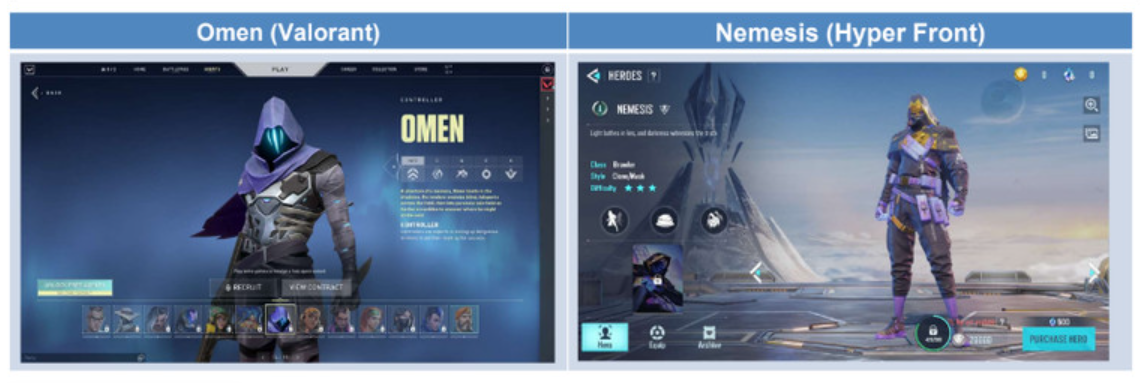
Riot also pursued NetEase in multiple jurisdictions over Hyper Front, alleging it was a near-clone of Valorant — similar characters, weapons, and map layouts. Despite NetEase making modifications after initial complaints, Riot maintained they were insufficient. The lawsuit concluded with NetEase shutting down Hyper Front entirely.
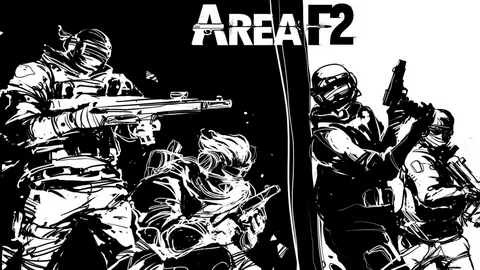
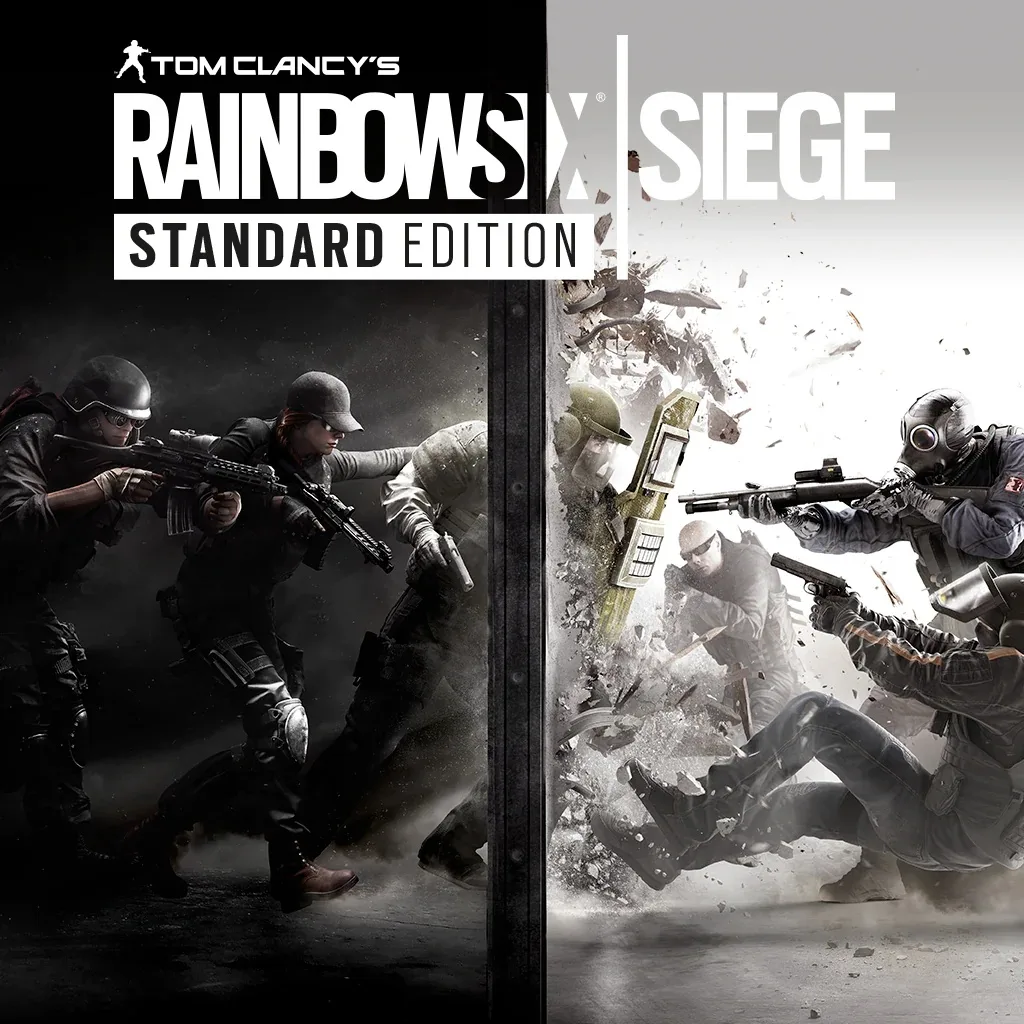
Similarly, when Ubisoft found Area F2 — an alleged mobile clone of Rainbow Six: Siege — on the App Store and Google Play, and couldn't get the platforms to act, it sued Apple and Google directly. The game was removed shortly after the complaint was filed.
Beyond Copyright: The Patent & Trademark Dimensions
Copyright is not the only IP tool available to game developers. For logos, gameplay mechanics, and some other elements that copyright doesn't protect — trademarks and patents can fill the gap.
Copyright arises automatically the moment a work is created. Patents and trademarks work differently: rights must be actively registered in each country, where you would like to protect your game.
A patent protects gameplay mechanics and technical solutions — not how a game looks, but how it works. A unique progression system, an original interaction model, and a non-obvious technical implementation: these are all potentially patentable. This is precisely where patent protection picks up what copyright drops due to the idea-expression dichotomy.
That said, obtaining a patent is a high bar: the mechanic or system must be genuinely novel and non-obvious — something a skilled practitioner in the field would not naturally arrive at by combining existing ideas.
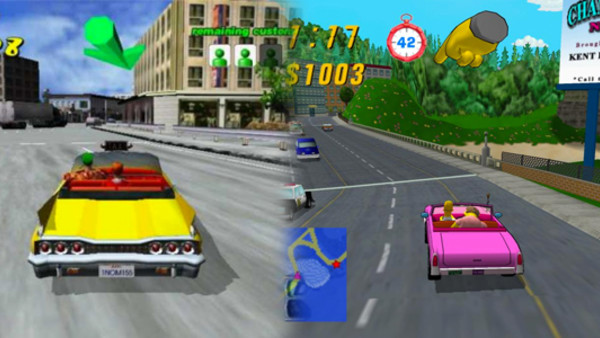
One of the classic examples is Sega v. Fox / EA / Radical over Crazy Taxy. Sega sued over a U.S. patent covering the Crazy Taxi-style gameplay, and the case ended in an early settlement in Sega’s favor, which is usually treated as a practical win for Sega.
The most recent example of patent protection is a dispute between Nintendo and Pocketpair over Palworld. It has obvious visual echoes of the Pokémon franchise, but they are so indirect, and that’s why Nintendo has tried a patent claim instead of the copyright.
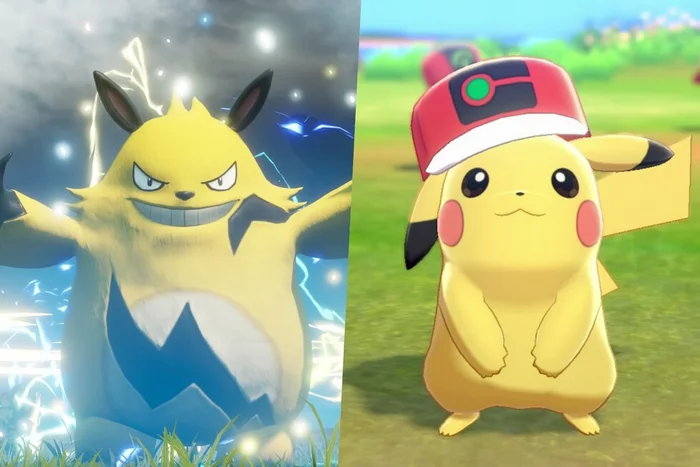
The patent, which was the core of the strategy, is targeting several in-game mechanics, including a mechanic of throwing an object to capture a creature and riding creatures.
The case began in Japan and later gained a limited U.S. patent dimension, but there has still been no final ruling on the merits. Pocketpair has already modified the game preemptively, removing the throwing animation and reworking how creatures are summoned. Notably, the US and Japan patent authorities' objections suggest that some of the patents may be vulnerable, which could weaken Nintendo’s leverage.
A trademark protects how your game is recognized in the market. Where copyright addresses copying and patents address mechanics, trademark law targets a different harm entirely: a competitor's product designed to be mistaken for yours.
A registered trademark gives you enforceable rights against uses likely to cause consumer confusion — a clone that mimics your game's name, a storefront listing that rides your App Store search rankings, a social media account impersonating your studio, or branding close enough to mislead a casual buyer.
A couple of practical points worth noting:
- Register early, and register creatively. In the US, a federal registration gives you nationwide priority; in the EU, a single EUTM covers all member states. File before launch — but also think beyond the obvious. Savvy developers register domain variants, phonetically similar marks, and even the result of typing their brand name on a keyboard with the layout switched (say, from Latin to Cyrillic) — which produces apparent gibberish but is exactly what a malicious user might type. The broader your registration footprint, the harder it is for bad actors to find gaps to exploit.
- For active infringement, use platform reporting first. Apple, Google, Meta, YouTube, and most major platforms operate trademark violation and impersonation reporting systems that are separate from DMCA processes and often faster. These are the right first step for fake accounts, misleading storefront listings, and brand-adjacent metadata abuse. Moreover, the platforms are much more flexible when they see that there’s a trademark violation confirmed by the certificate from a public registry, which can be verified at any moment.
DMCA Before Litigation
Given that litigation is expensive and slow, the first practical move when your game faces a clone is almost always a DMCA Takedown Notice to the relevant platform — App Store, Google Play, Steam, or whichever storefront distributes the infringing game. The DMCA provides a structured mechanism: you submit a compliant notice identifying the infringed material, and the platform is legally obligated to process it and remove content that is clearly infringing.
A few practical points:
- The burden is on you to identify the infringing material clearly and describe the work that has been infringed.
- The cloner can file a counter-notice asserting they have the right to distribute the game. If they do, you have 14 days to file a suit, or the platform must restore access to the content.
- Repeat clones under new developer accounts are common. DMCA is a tool: platforms process millions of submissions and don't proactively compare new submissions against your catalog. Each new upload requires a new notice.
However, some platforms apply repeat-infringer policies and escalate against accounts with a documented violation history. Building a consistent enforcement record can therefore increase pressure on repeat offenders.
- Complaints that include side-by-side comparisons, specific asset identification, and a clear chain of ownership are processed faster than generic notices.
The Whack-A-Mole Problem
The challenge in fighting the clones is volume: cracked builds spread quickly and re-upload constantly. Getting one clone removed is rarely the end of the story. It's often the beginning of a cycle that can consume significant time and resources without ever fully resolving the problem.
The structural reasons for this are straightforward. The barrier to re-entry is low enough that enforcement by attrition — filing notices faster than clones can reappear — is not a realistic strategy for most studios.
This is compounded by platform limitations. App stores process millions of submissions and mainly check for obvious policy issues. They do not automatically compare new apps with existing ones for copying, so rights holders must detect and report each clone individually.
A more effective strategy combines repeated takedowns (to build a violation history and trigger stronger platform action) with preventive measures like obfuscation, server-side logic, and asset changes, plus ongoing monitoring to catch clones early. This doesn’t stop cloning completely but makes it harder and less profitable.
Game clones: practical advice
The lesson is not that clones are easy to stop — they aren't — but that the law draws a clear enough line to be usable. Characters, artwork, source code, interface, music, and narrative elements all may enjoy strong protection.
Practical upshot for developers:
Register early, register broadly. Register your copyright/trademark/patent before launch or as soon as possible after launch.Document your creative choices. The more you can show that a visual or structural element was a deliberate, original creative decision rather than a genre convention, the stronger your protection is.Start with DMCA, escalate strategically. Most cases never reach court — a well-documented takedown notice, combined with a cease-and-desist from counsel, resolves the majority of situations faster and at far lower cost than litigation.
Clone fighting is, unfortunately, an ongoing part of shipping a successful game. But it is a manageable one.
Discuss
the Task
Speak to our team
Speak to our team. Tell us about your task –
we’ll help you with it in any jurisdiction.